
About Us

illustrations illustrations illustrations illustrations

C-SEP specializes in providing training to diagnosticians and other professionals involved in the Specific Learning Disability (SLD) identification process. Our services encompass methodological training in the overall assessment process for primary and secondary school staff (K-12). Our training and resources help streamline and enhance special education identification.

We offer evaluators the tools and knowledge needed to comprehensively assess a student whereby targeted assistance can be implemented. Partner with us to improve the structure and effectiveness of your SLD identification approach. Together, we can empower students and enhance their potential through individualized and targeted educational assessment practices!

author

A Texas Woman Owned Business

The History of C-SEP

Dr. Edward Schultz and Dr. Tammy Stephens conceptualized C-SEP following the release of major revisions and improvements of individualized norm-referenced cognitive, language, and achievement tests. With the release of the new versions of test batteries, a decade of change of SLD identification, and feedback from the field, using C-SEP to identify SLD represents an approach that is efficient, precise, and comprehensive. This process was developed after a critical analysis of all published “third method” PSW approaches and incorporated the strengths of all SLD identification models and addressed the limitations of current approaches.

The Core-Selective Evaluation Approach (C-SEP) was first introduced in the DiaLog, Vol.44, No.2 Fall 2015. The approach integrates multiple forms of data with individualized norm referenced test instruments by using cognitive, achievement, and oral language measures. Sound data analysis techniques are utilized within C-SEP to identify a pattern of strengths and weaknesses (PSW) in order to determine if a Specific Learning Disability (SLD) exists.

4-Step Process

icon

Review

Collect, organize and analyze existing multiple sources of data avaiable for the student to preliminarily determine a pattern of strengths and weaknesses.

icon

Plan

Create a targeted and legally defensible plan of assessment based on a solid hypothesis and focused referral question(s) estalished upon existing data.

icon

Assess

Purposefully collect all the data required to effectively test the hypothesis and answer the referral question(s).

icon

Decide

Organize and triangulate all available data, engage in task demands analysis, and use your professional judgment to make legally defensible decisions.

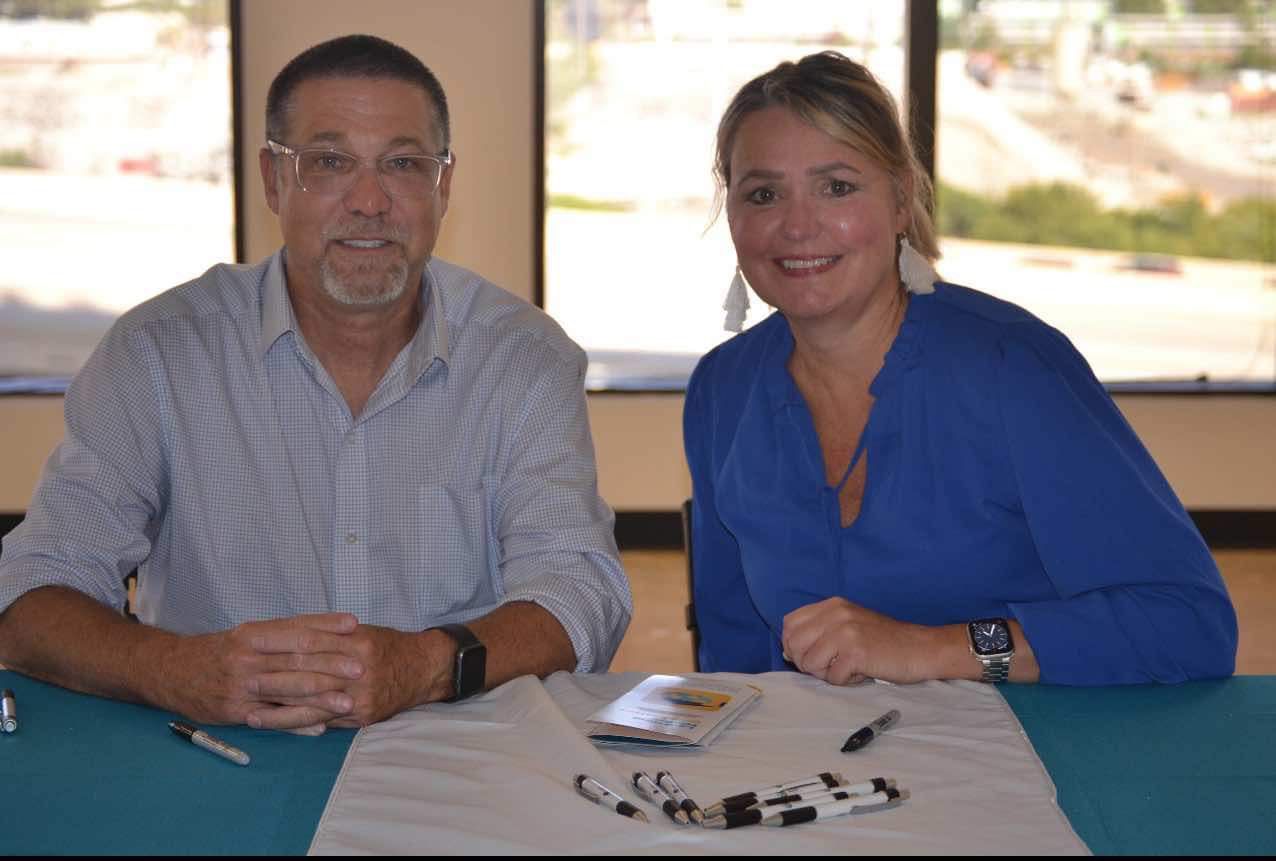
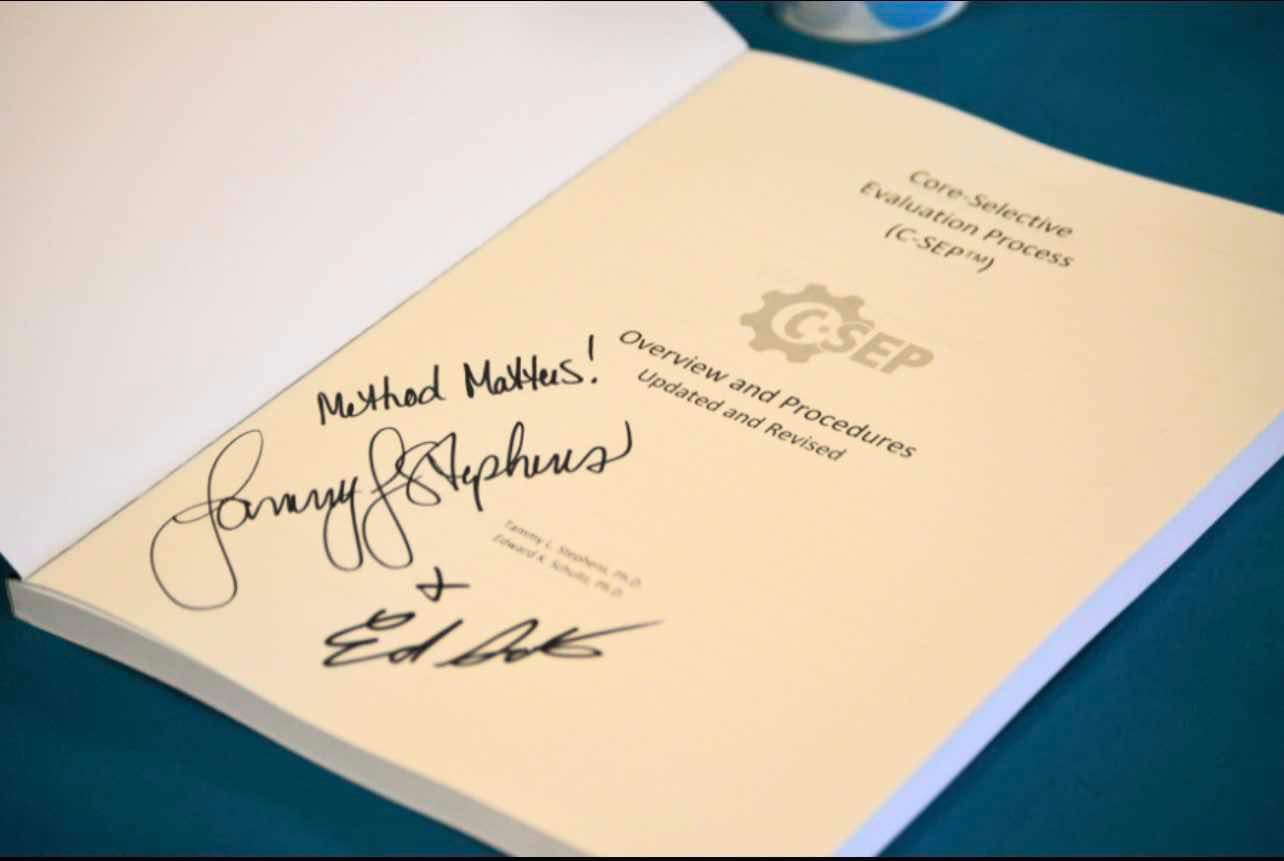
September 2024 Book Signing

Dr. Schultz and Dr. Stephens

Founders of C-SEP

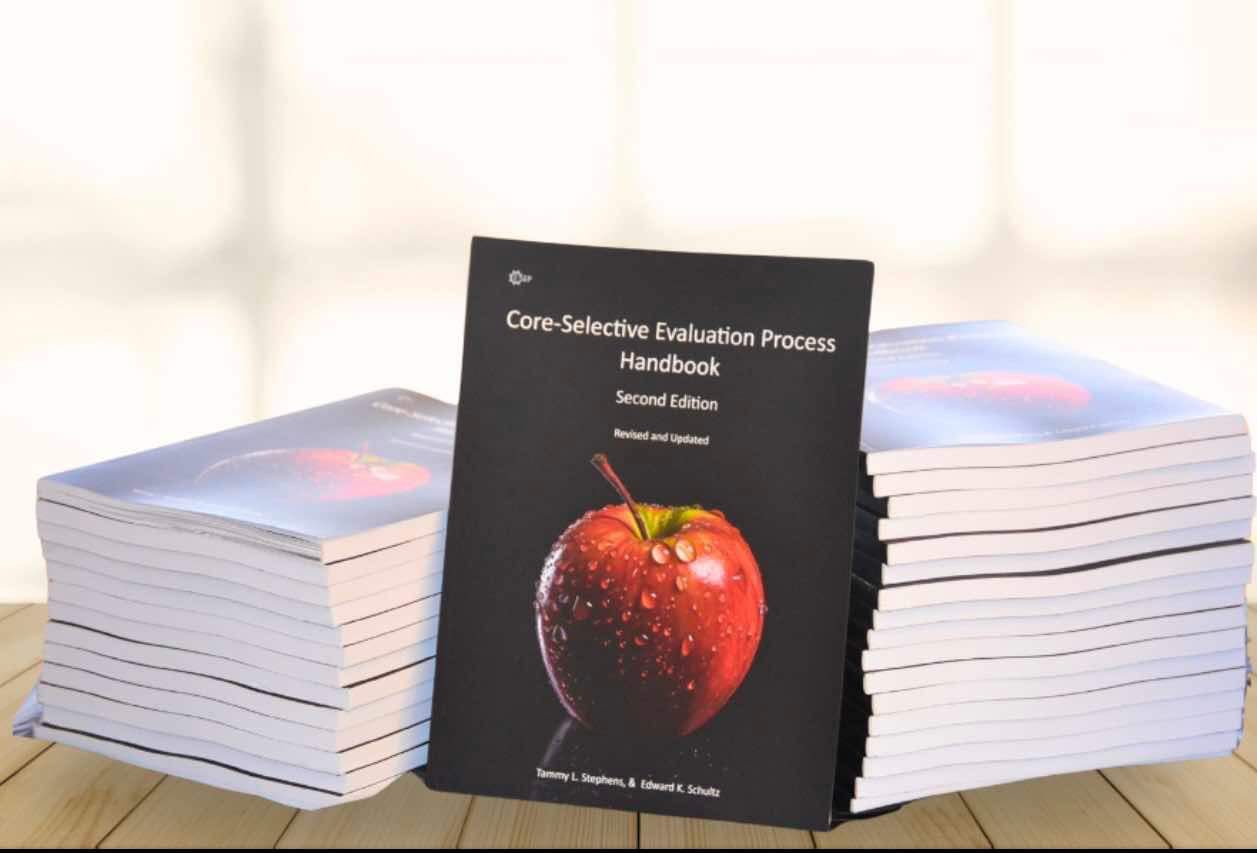
C-SEP Handbook

Book Signing

Book Signing

Thank You